

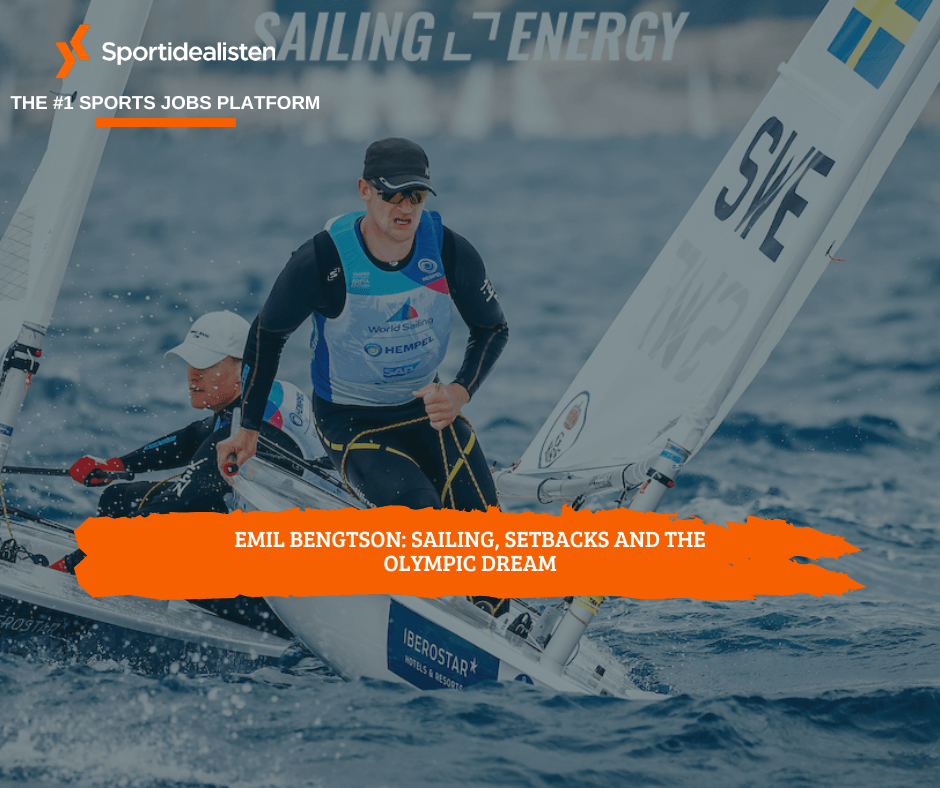
Emil Bengtson knows how much work can sit behind a single Olympic place. The Swedish ILCA 7 sailor helped secure a nation place for Sweden at the Paris 2024 Olympic Games, but was not selected to compete. In a conversation on Sport Views Podcast, he talks about the disappointment, the legal challenge that followed, and the long road back to enjoying competition.
His story is about more than one selection decision. It raises questions about who gets to define success in elite sport, how athletes can make their voices heard, and what it takes to rediscover the pleasure of competing after pressure and burnout.
Emil Bengtson and the demands of ILCA 7 sailing
ILCA 7, formerly known as Laser, is a solo sailing class in which each athlete races in a boat designed to be the same as the others. That makes the sailor’s decisions and execution central to the result.
The sport asks competitors to read changing winds and currents, make quick decisions and prepare for conditions that can shift from one day to the next. Bengtson describes it as a complex discipline where physical strength is only part of the picture. The sailor must also manage the many variables that shape a race.
He grew up around sailing and tried several sports, including badminton, before committing more fully to sailing as a teenager. In the podcast, he remembers early sport as something built around play, curiosity and friends. That memory matters later in the conversation, when he reflects on how a high-performance environment can change an athlete’s relationship with their sport.
The Olympic selection that led to a legal challenge
In 2024, Bengtson helped Sweden secure a nation place in ILCA 7 for the Paris Olympics. The place belonged to Sweden, however, and the Swedish Olympic Committee (SOK) did not select him for the team.
Bengtson says he began looking closely at the selection criteria after learning that another athlete had been chosen under a “future” criterion despite results he believed were weaker. He questioned whether SOK’s additional criteria aligned with the Olympic Charter and sought answers from the sailing federation and SOK.
His efforts led to a legal challenge at the Court of Arbitration for Sport (CAS). Bengtson first tried to bring his own case, but it was dismissed after a payment arrived too late. He later joined a case with track and field athletes who faced a similar situation. The group raised funds to pursue the challenge, and Bengtson helped prepare the case after studying the relevant rules.
The athletes lost. As Bengtson recounts it, the panel held that SOK had exclusive authority to select its Olympic team. He remains concerned that athletes who meet international qualification standards can still be left out under additional national criteria. He also notes that a proposal to remove those criteria was voted down at an SOK annual meeting.
Bengtson’s account is not just about the decision itself. It also shows how difficult it can be for an athlete to question a process while preparing for competition and trying to understand rules that affect their future.
Performance pressure, wellbeing and the joy of racing
The Olympic disappointment came after years of training and sacrifice. Bengtson describes a long period in which pressure and burnout affected his relationship with sailing. After stepping away from competition for an extended time, he returned to racing at the World Championships in Ireland.
That comeback felt different. Instead of carrying the same expectations, he approached the event as a chance to see where he stood. He says he found the experience playful again and was surprised by how much of his sailing ability had stayed with him.
His focus has since shifted from the Olympic goal alone to taking each competition as it comes. As he puts it: “Jag har inte samma fokus på just OS nu utan nu tar jag mer tävling för tävling.”
The change is a reminder that an athlete’s wellbeing and performance are connected to more than training plans. The people around them, their ability to talk openly about pressure and the way they define success can all shape how sport feels.
Looking towards the next Olympic cycle
Bengtson’s return to competition has opened up another opportunity. As the top-ranked Swedish sailor, he is in line to compete at a qualification event in Brazil in 2027. He is taking the season one step at a time, while keeping the Los Angeles 2028 Olympics in view.
That goal also has a personal dimension: his father competed at the Los Angeles Olympics in 1984. Bengtson says sharing that experience with him would mean a great deal.
For now, the immediate victory was returning to the racecourse and enjoying the competition. Reflecting on his event in Ireland, he says: “Det var väldigt häftigt att vara tillbaka där och just den här racingen. Riktigt, riktigt kul.”
The legal questions raised in the conversation remain unresolved from Bengtson’s perspective. He hopes the discussion can help bring more attention to how selection decisions affect athletes, including those beyond Olympic teams.
Key takeaways
- ILCA 7 sailing combines physical demands with fast decisions and close reading of changing conditions.
- Bengtson’s experience shows how Olympic selection criteria can become a major issue for athletes who meet international qualification standards.
- After a long break, he is rebuilding his career by focusing on competition by competition and reconnecting with the enjoyment of racing.
Follow Emil Bengtson’s journey
Listen to the full Sport Views Podcast episode to hear Emil Bengtson discuss the Olympic selection process, elite sport and his return to sailing. Follow Sport Views Podcast for more conversations with people across sport, and contact Sportidealisten to explore stories and opportunities in the sports sector. Links to Bengtson’s LinkedIn and Emil Racing Team are available in the episode description.