Här kommer fortsättningen på förra veckans inlägg om tips till drömjobbet. Förutom att du skapar och skickar in ditt CV när du söker jobb är det oftast det personliga brevet som du får möjlighet att presentera just dig. I detta inlägg ska jag dela med mig av mina fyra tips till ett bra personligt brev.
Missade du förra veckans inlägg? Ingen fara, du hittar det här: (5 tips till ett bra CV)
#1
Till att börja med, tänk på att den som läser din jobbansökan troligtvis har begränsat med tid att ägna till varje ansökan. Det kan vara så tufft som att det är 25-30 sekunder det handlar om att göra ett första intryck till läsaren. Särskilt gäller denna tumregel till tjänster som många söker. Därför gäller det att du gör din ansökan konkret, kortfattad, lätt överskådlig, lockande och lättförståelig. Allt för att underlätta för den som läser din ansökan. #2
Som det låter, det personliga brevet handlar om dig. Det är din möjlighet att “sälja” in dig själv. Samtidigt som att det ska vara kort och koncist, ska det också väcka intresse för dig som person och få dig att vara den rosa elefanten i rummet bland de andra sökande. Det är ett personligt brev, fast inte ett privat brev. Således, ska du vara personlig utan att bli för privat. I jämförelse med ditt CV är detta forumet du kan berätta om saker som inte tas upp i ditt CV. Var försiktig att använda klichéer och floskler, undvik dem helst helt och hållet. #3
Titta inte för mycket bakåt i tiden. Även om du ska kunna berätta vad du gjort tidigare för att väcka intresse till nytt jobb handlar det inte bara att titta i backspegeln. Tänk även på vad du kan bidra till den organisationen du söker jobb till. Vad kan just DU tillföra och skapa tillsammans med dem i framtiden. #4
Slutligen, tänk också på hur du skriver ditt personliga brev. Vi har alla något dåligt minne eller har gjort misstag. Var positiv. Försök hålla en positiv ton, fast i skrift. Försök ta fram egenskaper som associeras eller beskriver dig som en positiv person. När du väl vet vad du kan tillföra enligt #3, tala om vilka mervärden just du bidrar med. Genomgående i ansökan ska du undvika att berätta om dåliga erfarenheter hos tidigare arbetsgivare eller gamla kollegor. Fast du kan vända en dålig erfarenhet till något du gjorde bra. Alltså du skapar och bidrar med en positiv känsla. Inget förblir negativt i ansökan helt enkelt.
Sportidealistens lärdomar
Fyra tips till ditt personliga brev har här presenterats. För att hjälpa dig att enkelt komma ihåg dessa har jag punktat upp de fyra tipsen nedan och därefter beskrivs alla fyra tipsen i en kort mening så du lättare minns dom.
Var kort och koncis i din ansökan
Säljande personligt brev
Titta inte i backspegeln
Håll en positiv ton
För att du ska minnas dessa fyra kan du försöka se följande framför dig:
Tänk dig en kort telefonsäljare som sätter sig i en bil som saknar en backspegel och säger: Äsch, vem behöver en backspegel när jag bara ska köra framåt, fast det kan behövas när du backar för bevisa att du kan det också.
Lycka till och håll utkik efter nästa del om tips till en bra jobbansökan.
Har du testat dessa knep? Har du ett eget förslag? Kommentera i kommentarsfältet under artikeln.
Om du gillar detta eller vill veta mera så är följande inlägg på liknande tema:
Att hitta ett nytt jobb är inte alltid en enkel och bekväm uppgift. Bara att börja veta vart du ska leta är en sak, därefter handlar det om du verkligen tror att du passar och kvalificerar dig till nya jobb du hittar. I detta inlägg ska jag dela med mig av mina tips till en bra jobbansökan. Det finns många saker att tänka på och därför kommer tre delar till en bra jobbansökan att publiceras på bloggen i kommande inlägg. I detta inlägg kommer del ett med fokus på ett bra CV.
Hur långt ska ett CV vara? En fråga jag ställt mig ofta. Ska det vara en sida? Ska det vara minst två sidor? Svaret är att antalet sidor inte spelar så stor roll, däremot är det viktigt att fundera på vad du visar i början på ditt CV. Du får bara några sekunder på dig att fånga intresset hos den som läser ditt CV. Förslaget är att antingen med tre-fyra rader sammanfatta vad ditt CV innehåller eller punkta upp cirka 5 punkter och sammanfatta innehållet. Det är ett tips. Här kommer några till.
Referenser
Se till att ha ett flertal relevanta referenser. Tidigare uppdragsgivare, kollegor eller personer som du verkat med i ideella föreningar fungerar bra. Är det ditt första jobb efter skolan, är din lärare en bra referens. Undvik att lämna släktingar som referens, de uppfattas oftast inte som objektiva. Du behöver inte alltid lämna referenser på jobbansökan, ofta räcker det med att man kan ange referenser vid förfrågan.
Se till att ditt CV är uppdaterat
Skicka inte samma CV som du skrev för flera år sedan. Var noga med att hålla ditt CV uppdaterat. När det är dags för att söka nytt jobb, se över ditt CV och komplettera det med nya kvalifikationer och meriter som du har inför just denna jobbansökan.
Fokusera på rätt saker
Ta med sådant som är relevant för den tjänst du söker. Att ta med sommarjobbet i högstadiet är kanske inte alltid relevant utan kan snarast ge ett amatörmässigt intryck, såvida det inte är ytterst relevant för just denna jobbansökan.
Var specifik
Inom vissa områden finns många specialiteter och kvalifikationer. Var specifik med var din kompetens finns. Är du t.ex. programmerare, se till att ange vilka programmeringsspråk, utvecklingsmiljöer och metoder du behärskar och i vilken utsträckningar du behärskar dem.
Sportidealistens lärdomar
Hur ska du lättast komma ihåg dessa tips? Låt oss sammanfatta tipsen som:
Fånga intresset
Referenser
Uppdatera alltid ditt CV
Fokus på relevanta saker
Specificera din kompetens
Vi kan göra en enkel kom ihåg, genom att tänka på en hund som heter Rufs och att vi ska fånga Rufs. Alltså Fånga (intresset) R (referenser) U (uppdatera CV) F (fokus) S (specificera).
Lycka till och håll utkik efter nästa del om tips till en bra jobbansökan.
Har du testat dessa knep? Har du ett eget förslag? Kommentera i kommentarsfältet under artikeln.
Om du gillar detta eller vill veta mera så är följande inlägg på liknande tema:
Har du hittat ditt drömjobb? Är din dröm att jobba utifrån din egen tid? Eller vill du jobba 9-17 eller varför inte jobba utomlands? Letar du efter det där drömjobbet? Om ja, fortsätt läs för att ta del av två korta och enkla tips för dig som letar efter drömjobbet.
I stället för känslan av “måste jobba”. Tänk att få vakna upp och känna att det väntar en ny rolig dag och du vill bara gå upp för att du snart ska börja en ny arbetsdag med just ditt drömjobb. En känsla där du inte räknar timmar och minuter innan du slutar, utan ett jobb där du själv kan avgöra om du går en timme tidigare eller till och med jobbar över för att du verkligen vill och motiveras av det.
Jag tror att alla kan nå den känslan, fast det handlar bara om att du gör något åt det. Det är bara du som kan veta hur ditt drömjobb se ut. Men många jag träffar har svårt att tänka konstruktivt och tycker det är svårt att veta hur de hittar sitt drömjobb.
Tips 1. Sök rätt jobb
När du söker efter ett nytt jobb. Sök inte massor av olika jobb, utan sök jobb som verkligen passar dig. Fokusera på kvalité i stället för kvantitet. Koncentrera dig på att skriva riktigt bra ansökningar till jobb som är relevanta för dig, istället för att skicka CV och samma personliga brev till alla lediga jobb där ute. Lägg ner tid och energi till varje relevant jobb du hittat och anpassa din ansökan efter utgångspunkterna för respektive tjänst.
För att bidra med ett exempel. Vill du jobba inom sportens värld, sök inte bara ett jobb för att du är intresserade och ett fan av en sport. Kan du verkligen sportens regler och har du kanske liknande erfarenheter tidigare om sporten? Ja, då kanske det är rätt. Har du aldrig varit chef eller haft en ledarroll, då kanske inte en chefsroll är rätt jobb att söka till.
Inrikta dig inte uteslutande på de stora kända företagen. Det kan vara minst lika intressant att arbeta på ett mindre företag. Om inte bättre. Ofta är konkurrensen större bland sökande till de större företagen än hos de mindre verksamheterna.
För att återigen bidra med ett exempel. Adidas, NIKE, PUMA eller varför inte Malmö FF, Djurgården, SvFF eller andra globala eller nationella företag är det stor konkurrens om lediga tjänster. Förmodligen är du begränsad av vad du får göra hos dem, medan en ideell förening eller ett mindre förbund kan ge dig fler ansvarsområden och således ge dig mer jobb. De mindre låter kanske inte lika häftiga, fast om du får mer erfarenheter med de mindre kan du övertyga nya potentiella arbetsgivare i kommande jobbansökningar att du har rätt. En titel, eller ett företagsmärke säger inte allt.
Sportidealistens lärdomar
Vägen till drömjobbet är kanske inte så självklar som du trodde. Med dessa två tips av att söka rätt jobb och att inte stirra sig blind på de stora jättarna hoppas jag att du kan ta stora kliv till ditt drömjobb. Mycket hänger på dig och vad du vill. Ingen annan bör bestämma över ditt liv och din karriär.
Som tips till din nästa jobbansökan, tänk efter om den nya tjänsten är något du har någon erfarenhet av och om du kan dela den arbetsgivarens historia eller vision. En titel eller ett jobb kan låta häftigt, fast företaget/föreningen jobbar kanske inte som du och då är det än mer viktigt att du söker ett jobb du verkligen kan jobba med livet ut. Sök ditt drömjobb, inte ett drömjobb.
Se även över vilka jobb som är tillgängliga. Om du söker rollen till den där svenska mästarklubben lär du inte vara ensam att söka. Var smart och sök även jobbet till den lokala idrottsklubben. Det kan faktiskt vara den lilla idrottsklubben i kvarteret som ger dig rätt förutsättningar till drömjobbet på den svenska mästarklubben.
Lycka till!
Har du testat dessa knep? Har du ett eget förslag? Kommentera i kommentarsfältet under artikeln.
Om du gillar detta eller vill veta mera så är följande inlägg på liknande tema:
Nu är det mer än en vecka sedan jag och 450 andra andades och levde allt som har med sport att göra. Under några dagar var det ett fullspäckat schema på en av världens största Sport Management konferenser som hölls på Malmö Live. I detta inlägg får du följa med på personliga erfarenheter av vad som hände och vad en sådan konferens kan bidra med.
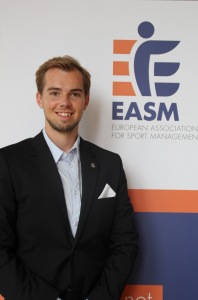
Inför denna fullspäckade vecka som är skapad av den europeiska föreningen för Sport Management (EASM) och Malmö Universitets institution Idrottsvetenskap har jag, Jakob, haft en roll hos båda parter. I den förstnämnde företräder jag rollen som Studentrepresentant i styrelsen och i den senare hade jag också rollen, Studentrepresentant plus Sociala Medieansvarig. Huvuduppgiften som Studentrepresentant kan sammanfattas som att ansvara, engagera och supporta alla studenter inför, under och efter EASM konferensen.
Mitt fokus inför konferensen var att hjälp Idrottsvetenskapen med ett bra Student Seminar program (du kan läsa mer om det här och här), vilket innebar dels planering av hur mycket lektioner som behövdes och dels antal timmar grupparbeten som behövdes. Det handlade även om att kolla upp rätt boende och upplägget med vad studenterna skulle behöva hjälp med under dagarna. Helt enkelt, skapa dagar som skulle fungera bra för varje individ, där 48 utav 50 stycken var internationella.
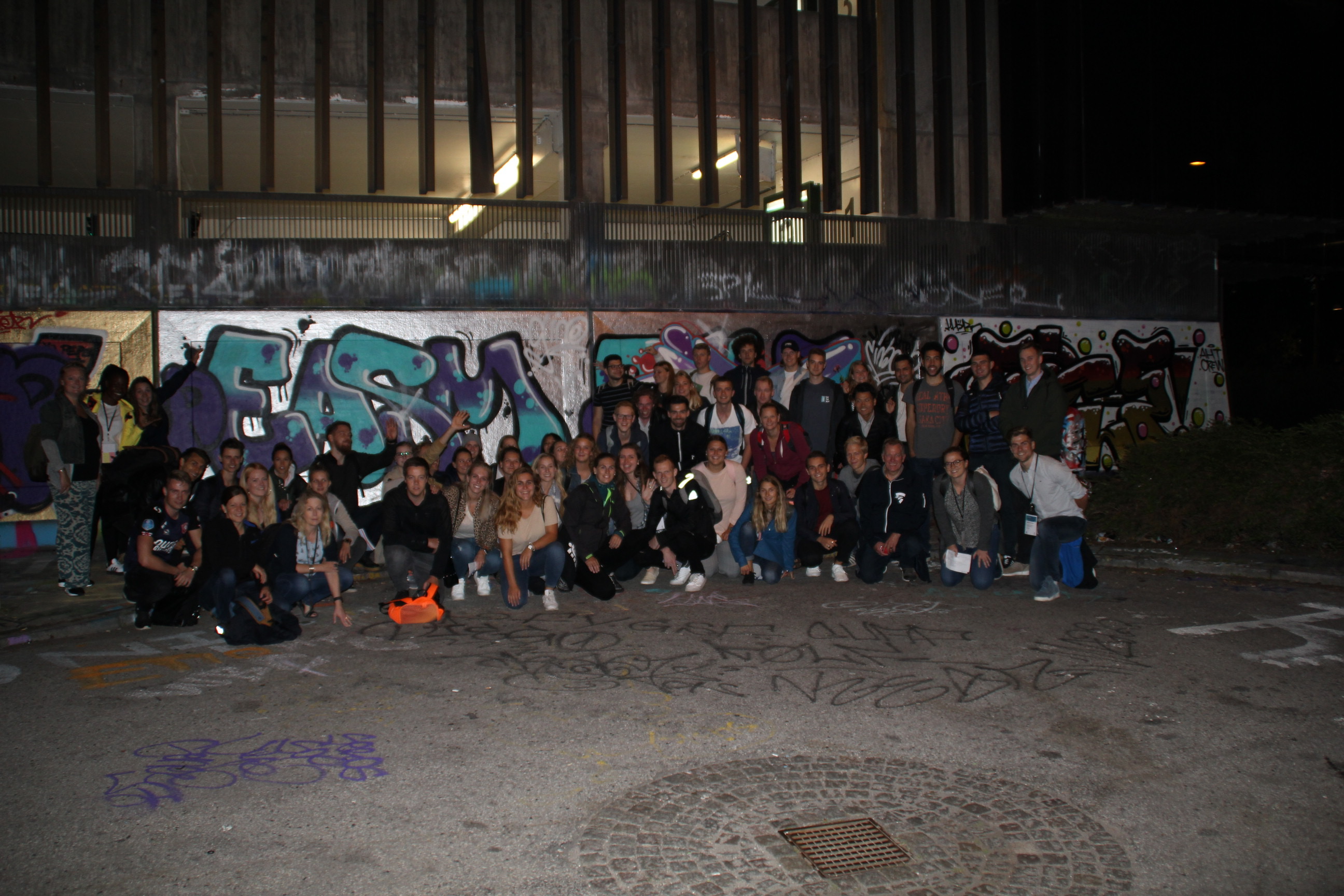
Under hela veckan såg jag till att delta på så mycket av Student Seminar som möjligt. Jag hade med en kamera och tog bilder under varje dag för att ha innehåll och minnen till både alla studenter som till Idrottsvetenskapen och EASM. Under dagarna såg jag även till att prata med så många av studenterna som möjligt för att veta vilka de är och vart de kommer ifrån och vilka erfarenheter de besitter. Dessutom genomgick jag liknande förra året när jag var deltagare i Schweiz och nu när jag är studentrepresentant kunde jag därför ge tips och feedback till studenterna och deras grupparbeten. Jag försökte således vara en hjälpande hand för studenterna.
Det finns även ett Student Seminar som är till för doktorander, vilket pågick under två dagar innan konferensen och på deras introduktion passade jag på att hälsa på alla. De var cirka 20 stycken doktorander på olika nivåer, allt ifrån första års doktorand till någon som varit doktorand i sex år. Deras schema var väldigt fullspäckat och där fanns inte mycket tid att fundera på hur det skulle planeras, vilket gjorde att mitt involverande kring Student Seminar mestadels kretsade runt de yngre studenterna.
Utöver allt umgänge med studenter innebär även rollen som styrelsemedlem att jag haft styrelsemöten och hjälpt till med diverse uppgifter. Bland annat har EASM ett årsmöte i samband med konferensen och inför detta finns det lite praktiska förberedelser som ska genomföras, som till exempel dela ut röstkort. Efter årsmötet var det nya medlemmar som kom in i styrelsen i år, vilket gjorde att vi hade ett styrelsemöte med den nya styrelsen under konferensens sista dag. Detta innebar att redan nu börjar planeringen inför nästa års konferens som hålls i Sevilla, Spanien.
Avslutningsvis har inledningen av september varit fullt ös med lite sömn. Däremot har jag träffat och lärt känna många intressanta människor från olika håll runt om i världen. Det innebär ett mångfaldigt nätverk som förhoppningsvis kan hjälpa idrotten mot en bättre framtid i världen. Dock ska det inte glömmas bort att allt detta skulle aldrig vara möjligt om jag inte varit öppen för nya utmaningar och möjligheter i livet. Dessutom har jag haft en grupp människor i styrelsen som lyssnar på varandra och alltid uppmuntrat mig att säga mina åsikter. Detsamma gäller till Idrottsvetenskapen, de har varit många individer som tillsammans hjälpt till, vilket gör att jag blickar tillbaka och känner mig hedrad och nöjd med EASM konferensen.
Vill du höra studenternas åsikter och erfarenheter rekommenderar jag dig att kolla in EASMs Student Sport Management Club. Vad både de själva säger och som jag själv upplever nyttan med EASM konferensen, är att nya kontakter för livet skapas och inspirationer till egna studier och arbeten identifieras och dessutom ett internationellt och professionellt minne att vara stolt över.
Känner du dig taggad på att vara med på detta eller liknande så har EASM en sommarskola i Madrid nästa år som du kan läsa mer om här! Eller så kanske du vill vara med på nästa konferens i Sevilla? Håll då utkik här. Nu börjar mitt arbete inför att göra sommarskolan i Madrid och konferensen i Sevilla det bästa möjliga för dig som student, hoppas vi ses i Spanien!
Om du gillar detta eller vill veta mera så är följande inlägg på liknande tema:
Förra året var jag deltagare i den europeiska föreningen för Sport Management (EASM) Student Seminar. Nu är dags på nytt, fast denna gång är jag med som styrelse- och studentrepresentant från EASMs sida. I detta inlägg ges en inblick i vad som kommer hända för många framtida internationella sport managers den kommande tiden i Malmö.
Ungefär vid början av september varje år sker en stor internationell Sport Management konferens någonstans i Europa. Denna händelse är en del av vad EASM erbjuder och skapar med Sport Management området varje år och förra året hölls det i Bern, Schweiz och i år (5-8 september) har Malmö och Malmö Universitet denna ära. För att få mer inblick i konferensen kan mer information hittas här och här.
Student Seminar
Konferensen är inte allt, utan de har även flera dagar innan själva konferensen ett program avsatt för framtiden, alltså Sport Management studenter. Det finns både Student Seminar som är till för alla som studerar på Kandidat-, Magister- eller Mastersnivå och även Phd Student Seminar för doktorander.
Student Seminar syftar i första hand till att förbättra Managementfärdigheterna i praktiken samtidigt som man samarbetar i en internationell miljö. Detta program pågar dagarna innan konferensen, alltså 1-5 september och består av ett Management Game, föreläsningar och workshops som är kopplade till konferensens tema. Konferenstemat i år är: Managing Sport in a Changing Europe. Mer specifikt kommer Student Seminar fokusera på frågor om integration, rasism och inkludering/uteslutning i förhållande till idrotten.
Presentationer Sport Management Game
Under dessa dagar delas cirka 50 internationella studenter i grupper som efter olika föreläsningar och workshops sedan presenterar en lösning på hur idrottsklubbar kan förbättra eller utveckla sina verksamheter med ett integrerande perspektiv. Det kommer vara några tuffa dagar med mycket information och deadlines, samtidigt som varje individ kommer få ta del av andra människors perspektiv, med kanske helt andra bakgrunder och kulturer. Det återstår att se hur alla kan hantera detta, fast det kallas trots allt Sport Management Game. Två grupper kommer utses som vinnare och kommer således få presentera inför konferensdeltagarna under 5-8 september och göra upp om första platsen.
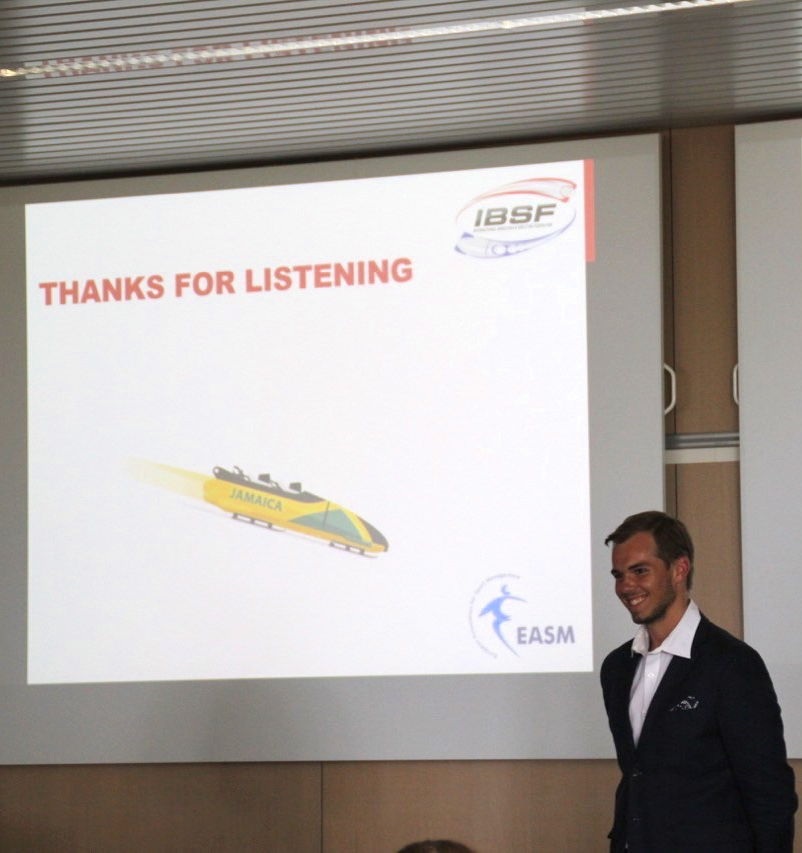
Här är en bild från min grupps presentation 2017. Vi hade uppgiften att motivera varför sporten bob och rodel skulle vara kvar i OS-programmet.
Sportidealistens Lärdomar
De kommande dagarna kommer bli fullspäckade av nya möten, perspektiv, sporter och erfarenheter i Malmö. EASM har en fantastisk möjlighet till framtidens Sport Management studenter runt om i världen och detta heter Student Seminar.
Cirka 50 internationella studenter kommer ifrågasättas och ifrågasätta idrotten i ett förändrat Europa. Med tanke på mixen av olika kulturer och människor som samlas under dessa dagar skapas en mångfald som många idrottsklubbar saknar. Som Studentrepresentant i EASMs styrelse kan jag bara säga lycka till till alla deltagare och i slutändan kommer vi alla öka vårt nätverk med framtidens Sport Managers med fokus på mångfald och social integration.
Om du gillar detta eller vill veta mera så är följande inlägg på liknande tema:
I följande inlägg får du veta hur det är att vara elitidrottare. Alexander visar att du måste brinna för vad du gör för att gå långt, men alla idrotter har det inte lika lätt som andra. Du får också läsa hur en elitidrottare tänker på möjligheter och hur de ser på nyheter inom sportens värld.
(Missade du förra veckans inlägg? Ingen fara, du hittar den här: En framgångssaga)
Livet som elitidrottare
Följ med bakom kulisserna med en mästare. Alexander Bica tillhör Malmö Tigers och är både svensk och nordisk mästare. Trevlig läsning och inspiration.
Tack för att du ställer upp Alexander! Låt oss börja direkt med följande fråga: har du alltid haft passion för sport och varför?
Ja, det har jag. Hela min familj har en idrottsbakgrund och jag är uppväxt med idrott och hälsa.
Berätta, vad är din bakgrund och hur kom du i kontakt med ditt arbete och vilken arbetsroll har du?
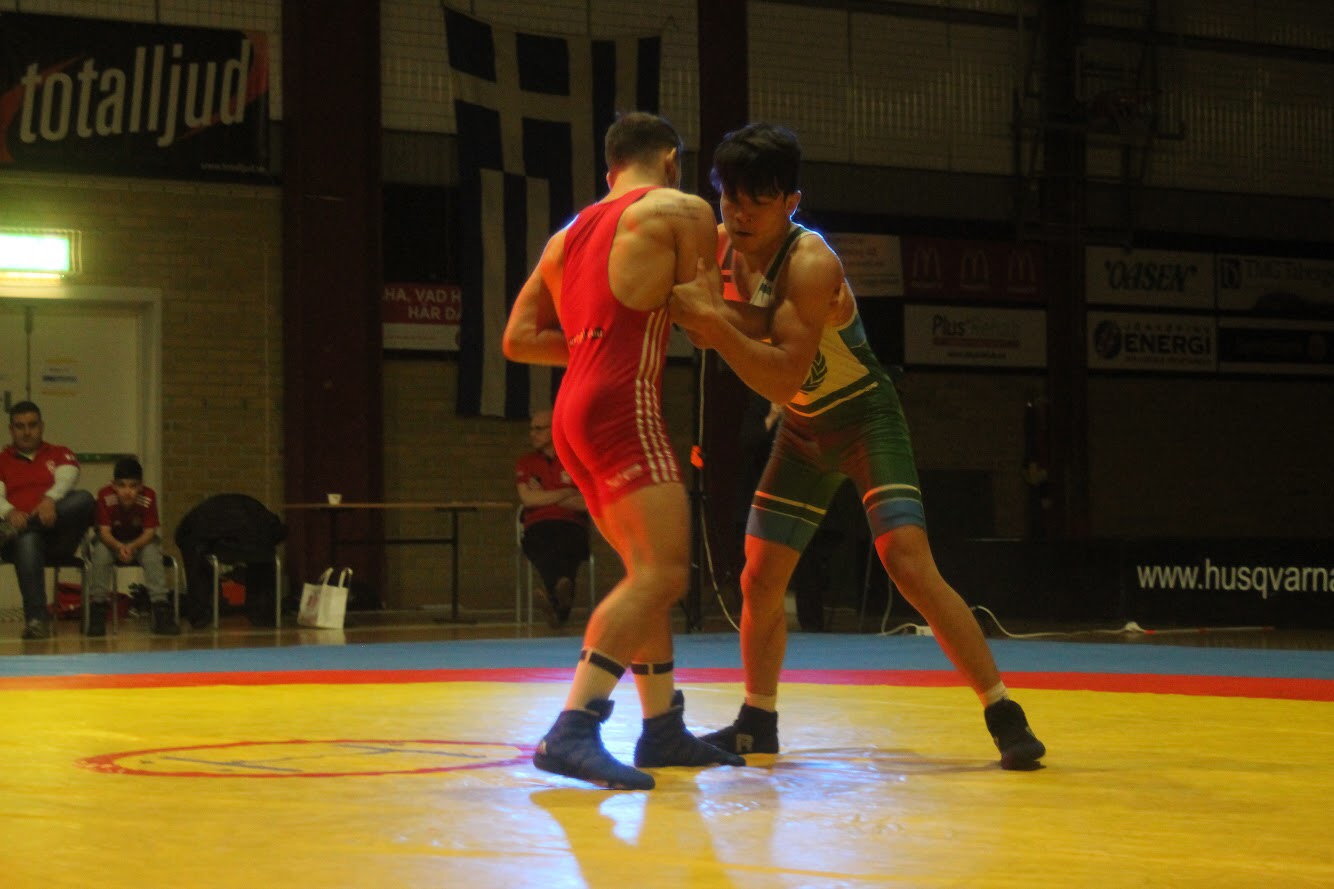
Jag är brottare och jag kom in på det eftersom att min pappa, farbror och farfar var brottare. Jag märkte att jag inte hörde hemma i lagsporter och därför blev det just brottning, eftersom att man skapar sin framgång helt själv och men även misstagen är på en själv. På sidan av brottningen jobbar jag lite grann som idrottslärare, där jag lär ut brottning till förskoleklasser upp till nionde klasser. Detta kom jag in på eftersom att jag vill lära andra något som jag älskar. Dessutom är jag grundare till EliteSpons, vilket är en plattform för att skapa samarbeten mellan atleter och sponsorer. Idén till detta föddes när jag märkte hur svag ekonomin är runt livet som professionell brottare, vilket jag berättar mer om senare.
Beskriv vilken roll idrott spelar i ditt liv?
I mitt liv spelar idrotten en väldigt stor roll, eftersom att det är det är jag gör varje dag och är det jag satsar på till 100 %. Jag tror att idrotten har skapat mig till den personen jag är i dag. I dag kan jag inte tänka mig att leva utan idrott, träning och hälsa.
Vad gör ni på arbetet? (Om du kan, beskriv vad ni gör, hur ni gör det och varför ni gör det)
Vi åker runt till olika skolor i Malmö och lär ut specifika idrotter. Där jag är tränare för sporten brottning. Vi har även event på Ribersborg i Malmö, där vi har ungefär samma upplägg som med skolorna, fast på det är gratis för allihopa.
När det kommer till EliteSpons, arbetar vi med att kontakta eller bli kontaktade av företag och elitidrottare för att diskutera olika samarbeten så båda parter kan nå en win-win situation. Jag och många andra atleter kämpar dagligen med att nå våra mål och bli världsmästare, utan att tjäna en massa miljoner på vår sport. Jag har lyckats skaffa flera olika sponsorer via samarbeten som underlättar min vardag. Nu är mitt mål att hjälpa andra atleter som mig själv för att lyckas i deras sporter.
Vårt uppdrag är också att hjälpa företag att växa sin publik och sina kunder med hjälp av en elitidrottares fans. Detta baseras på sociala medier som är en snabb plats för att växa ett företags varumärke, men det kan också vara samarbeten och marknadsföring som tryck på atletens kläder.
Vad bidrar ni med för värde till sportens värld?
Med skolan bidrar vi till att uppmana fler ungdomar till att våga testa på olika idrotter och förmodligen hitta det de brinner för, som är sin tur fostrar Sveriges framtida olympiska mästare. Med EliteSpons bidrar vi med möjligheter till atleter att fokusera på sina idrotter och för företag att hjälpa atleter.
Vilken nyhet inom sportens värld har mest intresserat dig under året, och varför?
Jag är väldigt fokuserad på min egen sport och därför följer jag mestadels brottningen. Inom brottningen har den största chocken för mig varit ändringar i reglerna och speciellt reglerna under mästerskapen.
Vilka specifika möjligheter är du nyfiken på inom sport 2018?
Möjligheterna till att Sverige kan satsa mer på de sporter som inte har så mycket ekonomiska tillgångar, till exempel brottning, boxning och badminton. Men även möjligheterna till att förbunden kan bidra med fler träningsläger och tävlingar för våra svenska atleter som ska bidra till att Sverige får fler medaljer.
Vilken/vilka lärdom(ar) från idrottens värld vill du sprida till andra?
Jag vill bidra med perspektivet att öppna ögonen för arbetsgivare som anställer elitidrottare som representerar Sverige. Det finns så många olika värden som atleter skapar och bidrar med. Därför tycker jag att arbetsgivare ska öppna upp ögonen för att stötta på fler elitidrottare. Vi, elitidrottare är väldigt bra på många olika saker, vi har bland annat bra fokus och är målmedvetna. Detta och mycket mer med hjälp av våra idrottskarriärer.
Hur håller du koll på framtida behov/trender/utvecklingar?
Jag skulle nog vilja säga sociala medier mest. Ibland nyheter och vissa bloggar som, så klart sportidealisten. Sedan omringar jag mig väldigt mycket med andra idrottsintresserade människor som gör att jag får ganska mycket nyheter och trender på det sättet.
Vad är dina tips för att hålla dig uppdaterad på det senaste inom sportbranschen?
Mina tips är faktiskt att gå på fysiska event och träffar inom sport, men även föreläsningar. Jag själv, tycker det ger en större effekt när man lyssnar på någon i verkligheten än inspelade videos.
Avslutningsvis: Vad är din livsstil? Hur gör du får att hålla dig i balans/form? Springa etc?
Jo, så klart så är min livstil väldigt aktiv. Eftersom att jag då är elitidrottare tränar jag mellan 10 till 12 pass i veckan. Men jag väljer även att transportera med cykel, vilket jag tycker är bra för både idrottare och de som inte tränar på samma nivå.
Bonusfråga: Har du någon hobby som skulle överraska många?
Min överraskningshobby är att jag älskar att fiska. Varför? Eftersom att det är en möjlighet för mig att slappna av och att slappna av.
Tusen tack Alexander för dina intressant och kloka perspektiv. Sportidealisten önskar dig lycka till med kommande tävlingar!
Sportidealistens lärdomar
Alexander är en elitidrottare, vilket inte går att gå miste på. Här kommer några avslutande tankar om lärdomarna från samtalet med Alexander. När du arbetar individuellt som Alexander med brottning ligger allt ansvar på dig, detta gör att han skapar sina egna möjligheter och står för sina misstag. Detta leder till att han inte kan skylla på någon men samtidigt vara oberoende och klara sig på egen hand.
Att lära ut och öka sin kunskap inom ett område underlättar om du har intresse för det, som Alexander gör med brottningen till yngre. Detta är något Alexander också trycker mycket på när han berättar om deras arbete med att låta ungdomar hitta det de brinner för.
Alexanders perspektiv på ökad support från svensk idrott är intressant då han menar att brottning och en hel del annan idrott har en liten ekonomi att röra sig med. Men om träningsläger och annat stöd kan ges, kan fler svenska medaljer vinnas. Dessutom ville han själv göra något åt detta och startade EliteSpons. Ett unikt samarbete för att stärka både elitidrottare och företag som vill ge tillbaka till idrotten.
Slutligen och kanske inte konstigt nog så har Alexander en fysiskt aktiv livstil som kan vara lätt att underskatta vad det gör. Men genom hans livsstil hålls kroppen och hjärnan i form året runt för att vara reda att ta kloka beslut på plan och utanför.
Om du gillar detta eller vill veta mera så är följande inlägg på liknande tema:
Det finns många som vill arbeta inom idrottens värld, kanske är du en av dem? Dessutom finns det väldigt många olika vägar att gå för att börja arbeta inom idrotten, men vilken roll passar dig? Det finns så många olika roller att arbeta med och många som kanske är okända för dig. I följande inlägg får du möjligheten att få insikt i rollen som föreningskonsulent med inriktning på fotboll och insikter till andra lärdomar.
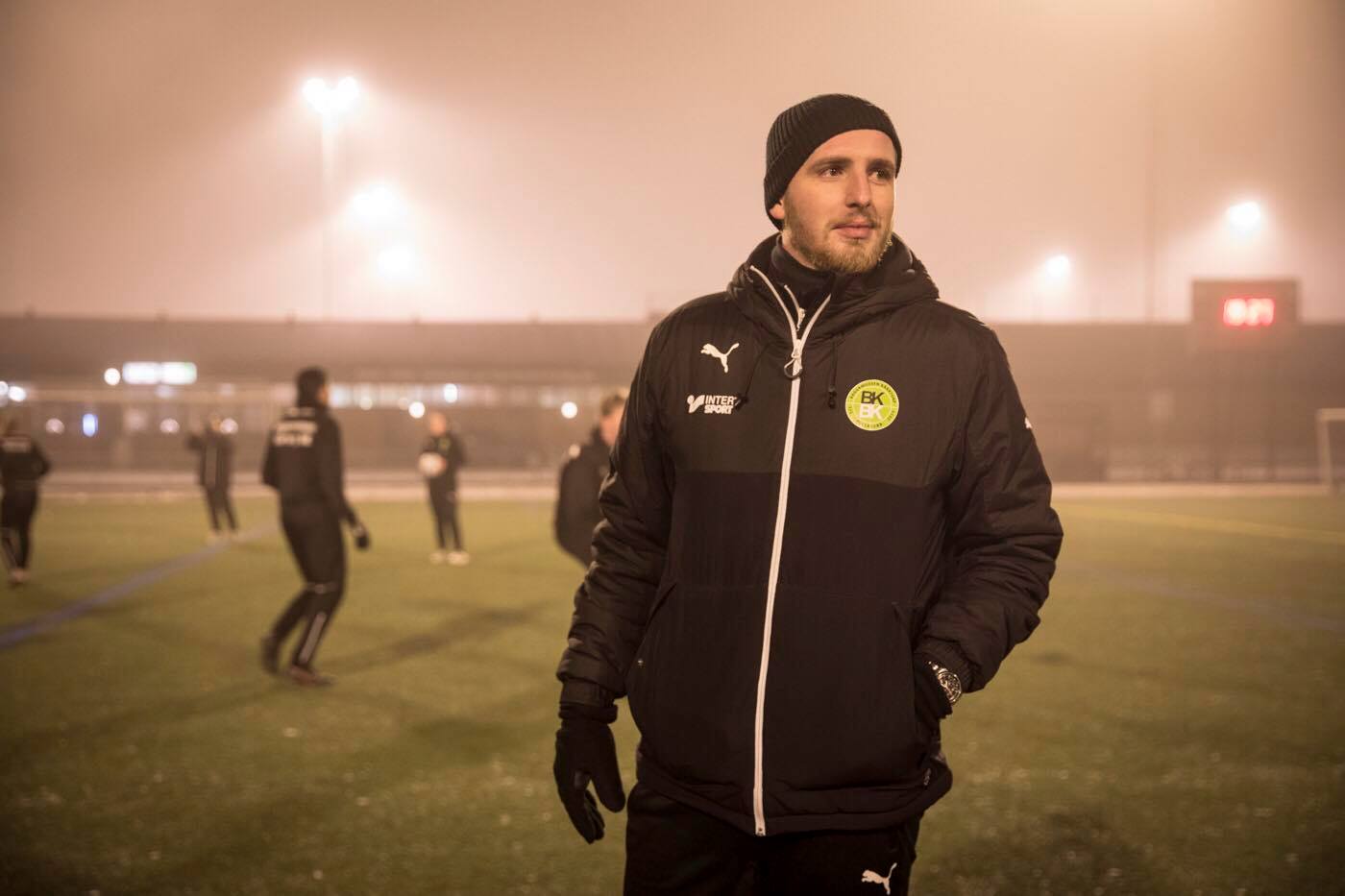
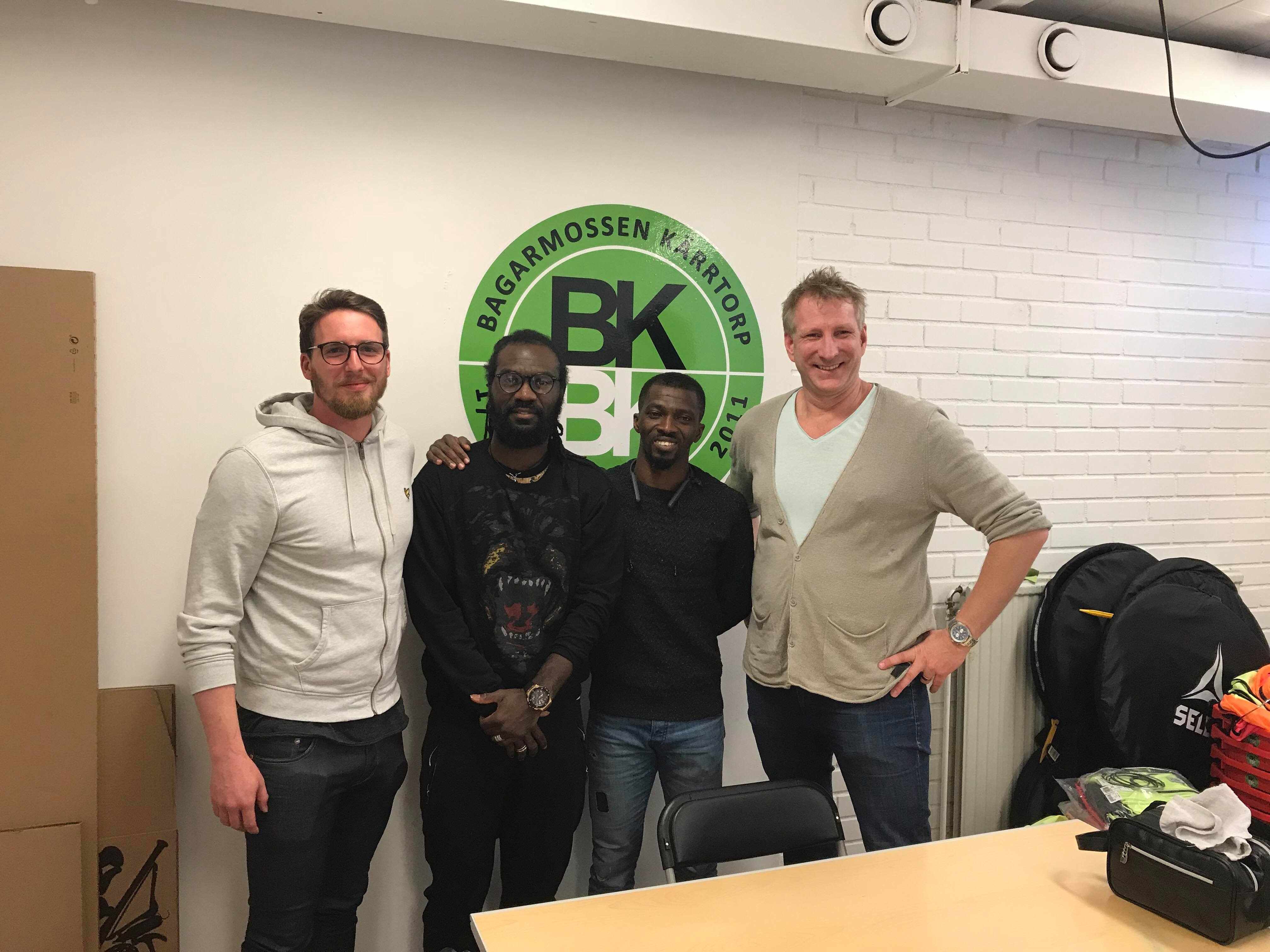
Följande inlägg är en intervju med Viktor Catenacci, föreningskonsulent, Bagarmossen Kärrtorp BK. Trevlig läsning och inspiration.
Tack för att du ställer upp Viktor,
Har du alltid haft passion för sport och varför?
Ja det har jag alltid haft. Jag har varit en del av föreningslivet i hela mitt liv samtidigt, som jag konsumerat idrott i mängder och jag tror främst det är det som ligger till grunden för den passion som utvecklats hos mig.
Berätta, vad är din bakgrund och hur kom du i kontakt med ditt arbete och vilken arbetsroll har du?
Jag är uppväxt i en förort strax söder om Stockholm. Hela min ungdom gick egentligen ut på att spela fotboll eller sysselsätta mig med andra fysiska aktiviteter. När man sedan frågade sig själv vad man ville arbeta med när jag blev äldre, så blev svaret ganska enkelt, idrott. Så vägen bar av till Malmö där jag tog examen från Malmö Högskola i Idrottsvetenskap med inriktning Sport Management.
Av en ren slump kom jag i kontakt med det arbetet jag har idag. Jag surfade runt på Facebook och såg att Bagarmossen Kärrtorp BK sökte en föreningskonsulent. Jag läste igenom arbetsannonsen och tyckte att det passade mig som handen i handsken. Resten gick väldigt fort och jag är glad att jag tillslut fick möjligheten att jobba för föreningen.
Jag är som sagt föreningskonsulent, vilket i korta drag innebär att jag driver föreningen. Har ett administrativt, ekonomiskt och organisatoriskt ansvar samtidigt som jag jobbar med att utveckla föreningen både sportsligt, administrativt och organisatoriskt.
Hur ser du på din tidigare arbetslivserfarenhet som är relevant för din roll idag och varför tycker du det?
Har jobbat både som säljare och inom serviceyrket tidigare och jag tror det hjälpt mig mycket. Serviceyrket då min tjänst i mångt och mycket handlar om att ge en service till föreningens medlemmar. Jag arbetar för dem så att de ska få så bra förutsättningar som möjligt att utvecklas som personer och fotbollsspelare. Säljyrket tror jag man har nytta av i många branscher inte minst när det handlar om utvecklingen av sin egen retoriska förmåga.
Vad gör ni på arbetet?
Oj, det är mycket. Förutom att se till att kärnverksamheten fungerar med plantider, material lagadministration, Supercamps med mera så är det även flera olika projekt som föreningen arbetar med för att aktivera ungdomar i stadsdelen. Vi jobbar väldigt nära stadsdelen och stadsdelspolitikerna för att se till så att alla ungdomar har möjlighet att idrotta.
Vad bidrar ni med för värde till sportens värld?
Jag skulle främst vilja säga glädje som det absolut största värdet som vi bidrar med. Jag tror inte heller att vi är unika med det för idrotten är en så pass stor kraft och skänker så mycket glädje runt om i Sverige så att alla föreningar är en bidragsfaktor till detta.
Beskriv vilken roll idrott spelar i ditt liv.
Största möjliga roll skulle jag vilja säga. Skillnaden från min ungdom jämfört med idag är att vi lägger till parametern att jag arbetar med det. Jag konsumerar fortfarande väldigt mycket idrott och är fortfarande väldigt aktiv. Därav spelar det en väldigt viktig roll i mitt liv.
Vilken nyhet inom sportens värld har mest intresserat dig under året, och varför?
Det finns självfallet många men är det någon nyhet man ska välja ut så måste jag säga att det är fallet om Bovallen. Där grannarna i anslutning till idrottsplatsen vill minimera antal timmar som idrott får bedrivas på idrottsplatsen på grund av höga ljud och störande omgivning. Blir detta rättspraxis så kan det komma att påverka idrotten i Sverige på ett väldigt negativt sätt, vilket vore förödande.
Vilka specifika möjligheter är du nyfiken på inom sport 2018?
För min egen del så finns det bara en möjlighet som jag är nyfiken på, och det är att fortsätta göra idrotten så bra som möjligt för så många som möjligt. I och med att fler unga, hungriga och utbildade personer kommer in i idrottsrörelsen så skapar vi större förutsättningar för att förändra saker till det bättre. Hur det kommer utspela sig under detta år är något jag är nyfiken på.
Vilken/vilka lärdom(ar) från idrottens värld vill du sprida till andra?
Se till att nätverka så mycket som möjligt. Det kan låta klyschigt och det kan bli tjatigt när jag vet att samtliga föreläsare eller kursansvariga på högskolorna och universiteten runt om i landet tjatar om det, men det är en extremt viktig lärdom. Idrotten handlar om att skapa kontakter och hjälpa varandra genom att ha ett prestigelöst förhållningssätt. Genom att nätverka och skapa många kontakter så skapar man så många fler möjligheter att göra saker som man brinner för.
Hur håller du koll på framtida behov/trender/utvecklingar?
Det är framförallt genom att nätverka med människor i branschen, sen följer jag även olika kanaler så som Idrottens Affärer för att hålla mig uppdaterad.
Vad är dina tips för att hålla dig uppdaterad på det senaste inom sportbranschen?
Med utgångspunkt från mig själv så är mina tips det jag gör. Prata med människor i idrottsbranschen i första hand, ring och ställ frågor eller bara ta en fika.
Avslutningsvis, vad är din livsstil? Hur gör du får att hålla dig i balans/form? Springa etc?
Jag spelar fotboll fyra gånger i veckan, när jag inte gör det så utövar jag gärna andra idrotter, främst racketsporter för att hålla mig i form.
Bonusfråga, har du någon hobby som skulle överraska många?
Jag tycker att det är helt otroligt roligt att dansa. Vet dock inte om det skulle överraska många.
Till sist, finns det något mer du vill sprida eller tipsa om?
För att bli en del av idrottsbranschen är det viktigt att man sätter igång med det. Vänta inte på en heltidstjänst utan börja så fort det går och lär dig så mycket du kan. Oavsett om det är ideellt eller bara någon timmes arbete i veckan. ”In i skiten” om man får uttrycka sig så.
Tusen tack Viktor för en mängd med intressanta inblickar och lärdomar från dig och rollen som föreningskonsulent. Finns det någon/några personer du tycker ska dela med sig av sina lärdomar och arbetsroller och varför?
Tycker definitivt Malin Odell och Linus Eklund. Malin som jobbar för Stockholm Live med bland annat allsvenska evenemang och Linus som jobbar för Svenska Ishockeyförbundet. Tror att många skulle tycka det var intressant att höra vad dessa har att säga.
Sportidealistens lärdomar
Viktor kommer med så många olika intressanta idéer och perspektiv. En av sakerna som kan öppna upp ögonen för många är de olika arbetsuppgifterna som hans arbetsroll innehåller. Dessutom med en tidigare erfarenhet av social kompetens av olika slag inom service- och säljyrken visar att en föreningskonsulentsroll kan vara något för dig som har liknande bakgrund som Viktor. “Bovallen” låter som ett skrämmande exempel som jag inte kände till, men som jag tar till mig från och med nu. Att en av Viktors tips är att nätverka gjorde mig inte det minsta förvånad. Jag kan bara intyga om att prata med människor har för min egen del inneburit väldigt många nya insikter och viktiga relationer bara det senaste året. Vill du hitta ditt drömjobb inom sport borde du kika in de senaste sportjobben hos Sportidealisten!
Återigen, tack Viktor för dina insikter och lärdomar från idrottens värld. Lycka till med allt och du som läser detta får mer än gärna kontakt Sportidealisten för att veta mer eller få kontakt med Viktor.
Om du gillar detta eller vill veta mera så är följande inlägg på liknande tema:
Har du alltid drömt om att jobba med sport? Eller kanske är du redan involverad på ett eller annat sätt men har funderat på vad som krävs för att nå nya steg i karriären? Perfekt för då bör du läsa vidare nedan!
I veckans inlägg kommer (kanske) den ultimata guiden till ditt drömyrke som handlar om följande:
Det gäller att ha tur
3 tips för att sticka ut
Tre saker du bör göra varje dag om du vill jobba inom sportbranschen
Fem saker som en bra sportkonsult behöver besitta
(Missade du förra veckans inlägg? Ingen fara, du hittar den här: Ta inget för givet)
Det gäller att ha tur
Tur och tajming är vad som krävs för drömrollen inom sport, i alla fall om du frågar James Murray, Senior Business Strategy Manager hos Arsenal. Bakom dessa två (tur och tajming) står främst turen av en ny tjänst, men även att han tidigt tog kontakt med flera personer inom sportindustrin några år innan anställningen. Hans nuvarande boss var en av dem. Murray nämner även att han fick ett nej första gången vid en ansökan några år tidigare. Trots det höll han kontakten med flera nya kontakter och jag tycker att han förvaltade de väl med tanke på att han några år senare ansökte igen och fick jobb.
Tips för vad som passar in?
Om Murray själv skulle rekrytera idag så skulle han söka någon som är problemlösare, har hjärta och har analytisk förmåga. Har du inga erfarenheter inom sport kan färdigheter från icke sportrelaterade erfarenheter vara lika viktiga om de kan överföras till i det här fallet Arsenals arbete. (Se videon längst ned om du vill se vad hans arbete innebär.)
I denna del kommer några tips som kan ta dig till nya nivåer inom sportkarriären. Nedan får du tre tips av andra personer inom branschen som sedan utvecklar sina tips längre ner.
Undersök alla aspekter av sportbranschen och var uppdaterad
Arbeta med olika personer och kommunicera väl
Bygg ett starkt stödjande nätverk och hoppa på varenda möjlighet som ges
Undersök alla aspekter av sportbranschen och var uppdaterad
Innan du väljer bör du ha en förståelse för alla olika områden. Detta kan innebära nya möjligheter som inte varit tydliga tidigare och kan vara till stor hjälp om du bestämmer dig för ett annat område. Att förbereda sig under studierna är viktigt men minst lika viktigt är det att bygga vidare, speciellt efter studierna.
Även om du inte studerar så kan du ändå göra följande för att undersöka sportbranschen. Besök relevanta event och ta vara på den kunskap och de experter som finns runt dig. Prenumerera på olika magasin eller bloggar inom sportindustrin (jag själv kör EASM, IAKS eller varför inte lyssna på podcasts som SportsGeek och The Tao of Sports Podcast).
– Tom Bromley, 25 år, idrottsvetenskap och personlig träning, the University of Bedfordshire. Idag är han akademi sportspecialist för fotbollslaget, MK Dons.
Arbeta med olika personer och kommunicera väl
Var öppen till nya tankesätt utanför din sport och använd din nyfikenhet och passion för att hjälpa andra människor med nya lärdomar. Om du jobbar med eller kommer jobba med atleter kan det vara mindre tekniska problem och mer handla om att förstå dem som människor. Detta innebär att du spendera mer tid till att lyssna till vad en spelare/atlet verkligen vill och vad som motiverar dem till utveckling (det är inte alltid vinster som gäller). Det kan även innebära att förstå vad som hjälper dem att hantera misslyckande och framgångar, vilka hinder de ser. Se till att vara genuint intresserad av personen framför atleten. – Barbara Daniels, 51 år, studerade engelska, Lancaster University. Idag är hon proffs i cricket och landslagstränare. Hon hjälper även till att utbilda tränare inom sporter som tex golf och inspirerar andra tränare till deltagande och prestationer.
Bygg ett starkt stödjande nätverk och hoppa på varenda möjlighet som ges
Du kommer möta motstånd och hamna i svackor men du kommer även ha möjligheter att få råd, lyssna och förstå. Med hjälp av denna väg har Ward kommit en lång väg som person och i karriären. Du måste ta dig ut och träffa människor, sätt dig själv i situationer för möjligheter. Är du redo att kliva ur din komfortzon så kommer fördelarna finnas där.
Att ta sig utomlands var ett stort steg för Ward, men även något av det bästa han gjort (detta gäller även mig). Det är väldigt givande att undersöka nya miljöer och du lär dig mycket om hur sport upplevs, utövas och används i andra länder. Ibland är det läskigt att ta sig ut i nya saker men fördelarna väger mer än riskera.
– Jonathan Ward, 25 år, idrottslärare, the University of Wolverhampton. Idag är han chef för fotbollsutveckling och sponsorskap hos fotbollslaget West Bromwich Albion.
Tre saker du bör göra varje dag om du vill jobba inom sportbranschen
1. Bygg ditt personliga varumärke
2. Nätverka som ett freak
3. Läs
1. Bygg ditt personliga varumärke
Idag förväntas det att du finns på sociala medier. En av de första sakerna som sker när någon ska anställa dig eller connecta med dig är att de kollar dig online. Att bygga ditt varumärke tillåter dig att skapa mer förtroende och bli den där “go to” personen inom ditt fält. Detta kan leda till nya karriärsmöjligheter, nya affärspartnerskap, nya klienter eller till och med olika engagemang med kändisar och influencers.
2. Nätverka som ett freak
Det är ditt jobb att ge någon annan en anledning att connecta med dig eller anställa dig. Om du vill lyckas och ta dig framåt så måste du nätverka och du måste bli bra på det. Oavsett om du är en introvert eller en extrovert person måste du hitta din kommunikationsstil som passar just dig. För vissa innebär detta LinkedIn och bli en mästare på att skapa kontakter, kanske är det just du! För andra kanske det innebär att gå på konferenser i olika städer för att träffa alla i verkligheten. Nyckeln till nätverkande är att bygga autentiskt, genuint och bidra till en relation som gynnar båda.
3. Läs
Läs. Reflektera. Repetera. Om du är i sportbranschen eller försöker ta dig in i den så bör du läsa konstant. Det kan handla om bra hemsidor som Sportidealisten. Det kan vara karriär- och motivationsböcker som Sälj!. Det kan vara relationsbyggande böcker som Never Eat Alone. Det kan vara ledarskapsböcker som Start With Why. Det handlar om att hitta vad du gillar eller vad du vill lära dig och konsumera just det.
1. Ett toppbetyg
Helst ett Mastersbetyg inom Business Administration/Företagsekonomi eller en PhD. Gärna även något eller några terminer utomlands. Även om Företagande är ett klassiskt fält att studera så kan även juridik eller tekniska program fungera bra. Sist men inte minst ha gärna erfarenhet inom marknadsföring och företagsstrategi, tex via praktik. 2. Din egen sportbakgrund
Helt enkelt förstå känslan “en av oss” för att ha rätt inställning och perspektiv till kunder inom sportbranschen. 3. Okonventionella tänkare och laterala deltagare är eftertraktade
Var rik på idéer och tänk i nya banor. Som exempel inom den digitala världen. Här nämns Adidas och Nike med flera som interagerar och utvecklas med framtiden genom appar och digitala företag. Ytterligare exempel är olika klubbar som utvecklar sin marknadsföring med influencers. 4. Förstå siffror och analyser
Siffror måste bli analyserade och bedömda inom sportbranschen liksom inom vilket annat företag. Du måste se i kristallkulan och sätta företaget/klubben på rätt väg för framgång inför framtiden. Ett stort ansvar som därför kräver att konsulter är säkra på sin sak när de gör bedömningar. 5. Säkert beteende
När du agerar som en expert inom ditt område så måste du kunna övertyga kunden, som förmodligen har bäst koll på sin verksamhet.
Om du gillar detta eller vill veta mera så är följande inlägg på liknande tema:
Vore kul att få veta dina åsikter. Du får gärna mejla (jakob.wikenstal@gmail.com) eller kontakta mig på sociala medier (Twitter, LinkedIn) om du vill veta mer. Du hittar mina uppgifter längst ned på sidan.
På återseende med mer lärdomar som ökar din kreativitet inom sportens värld.
Här kommer videon där James Murray dels ger sina tips för att jobba inom sportbranschen men även hur hans arbete ser ut.
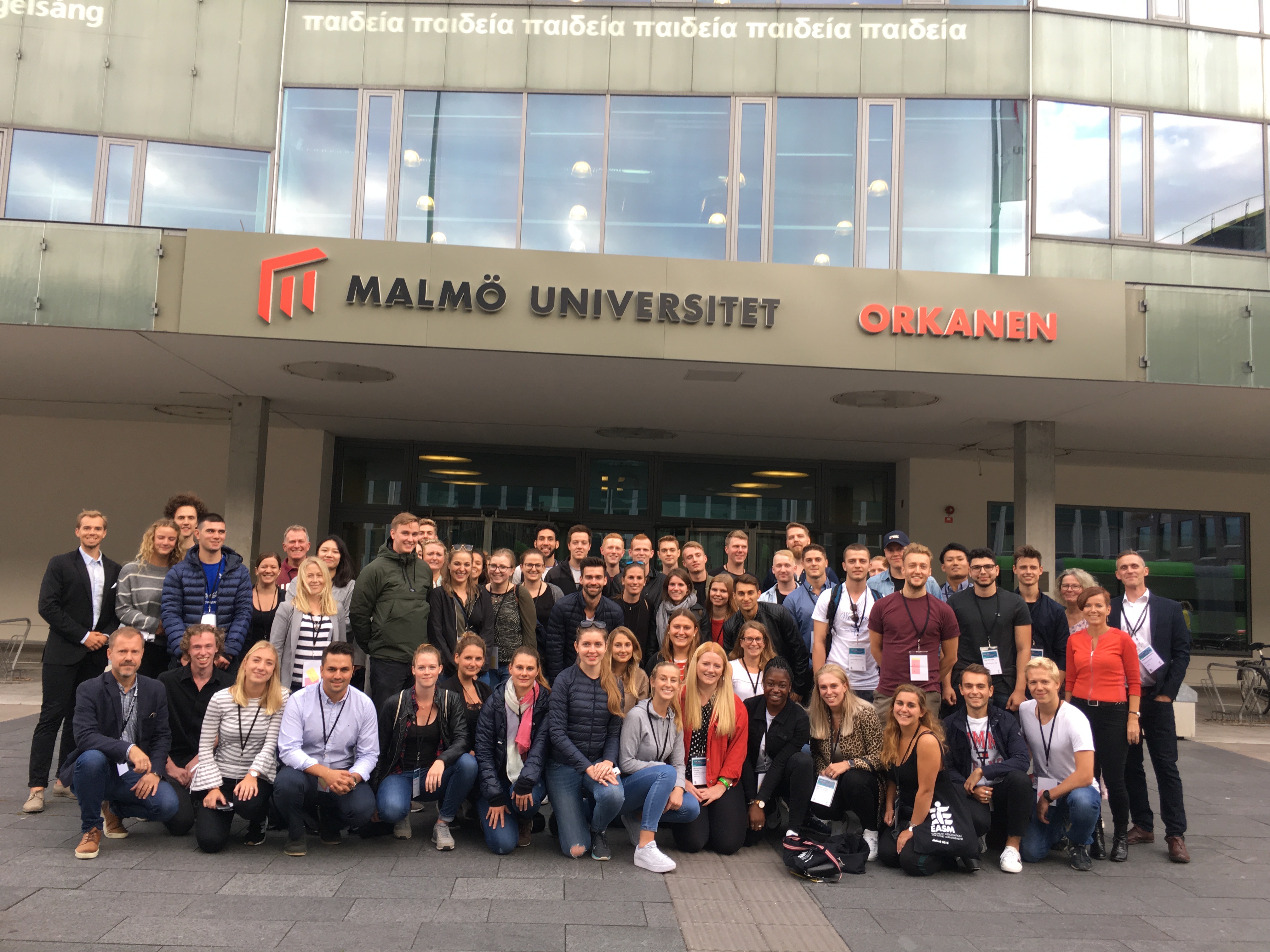
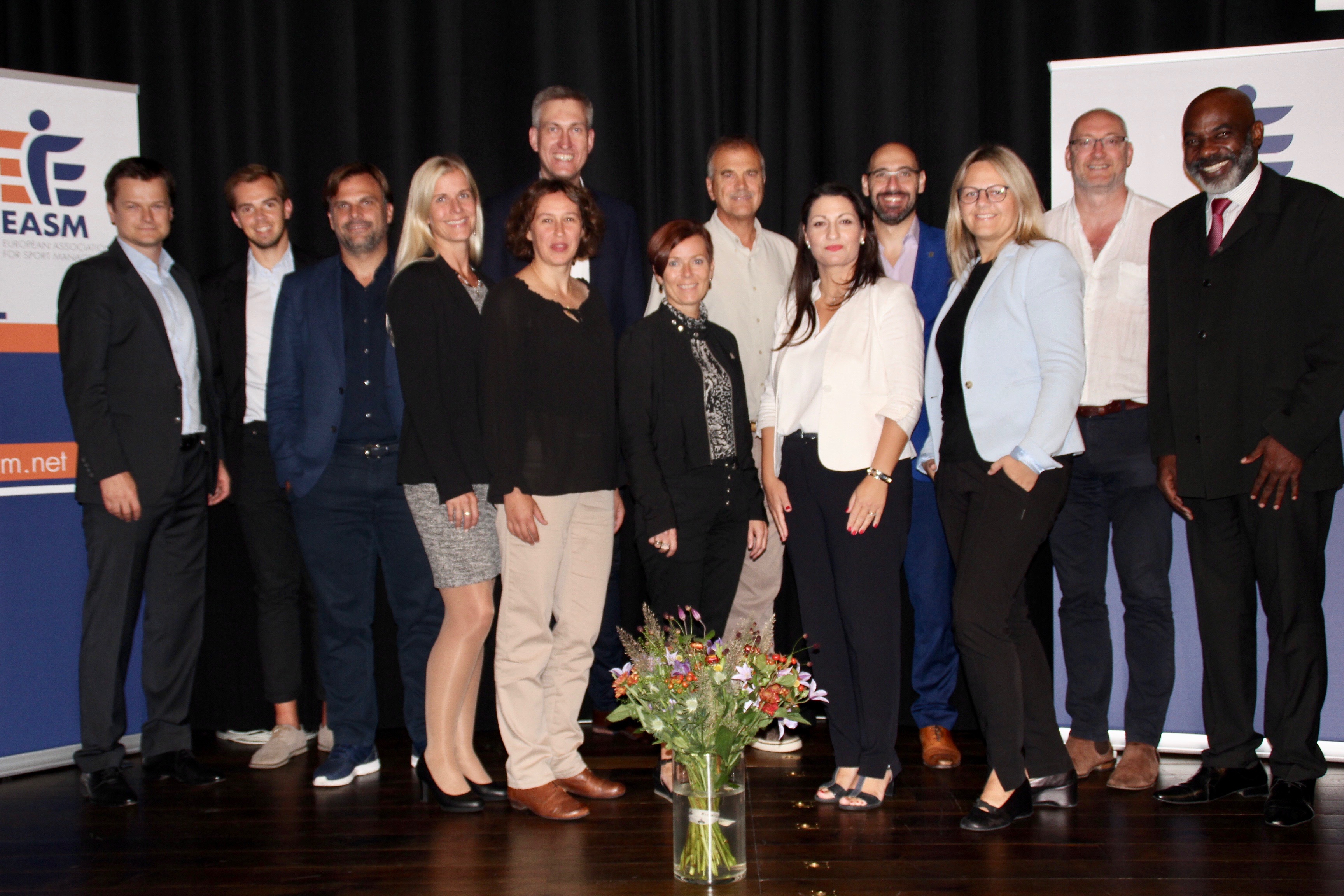
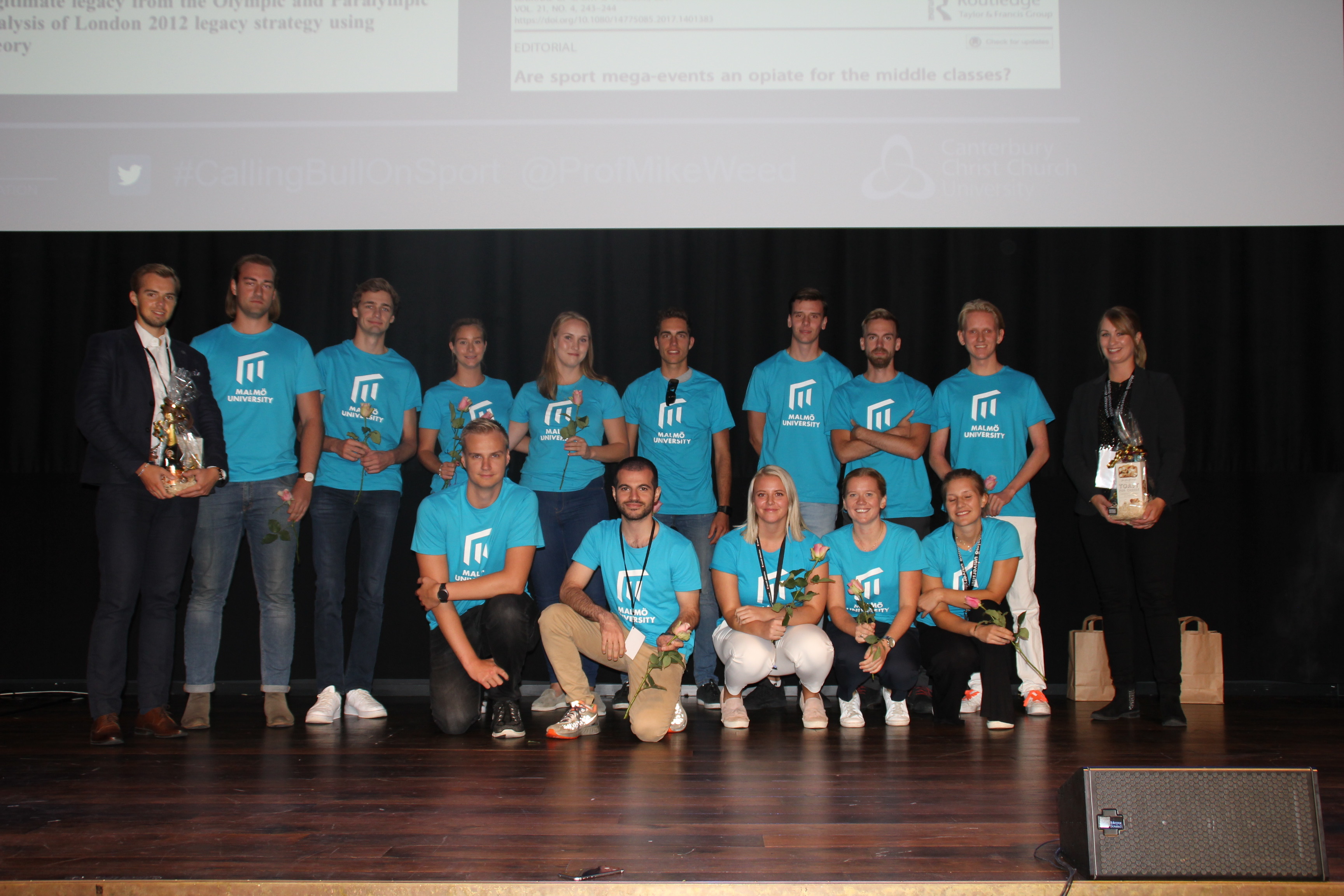
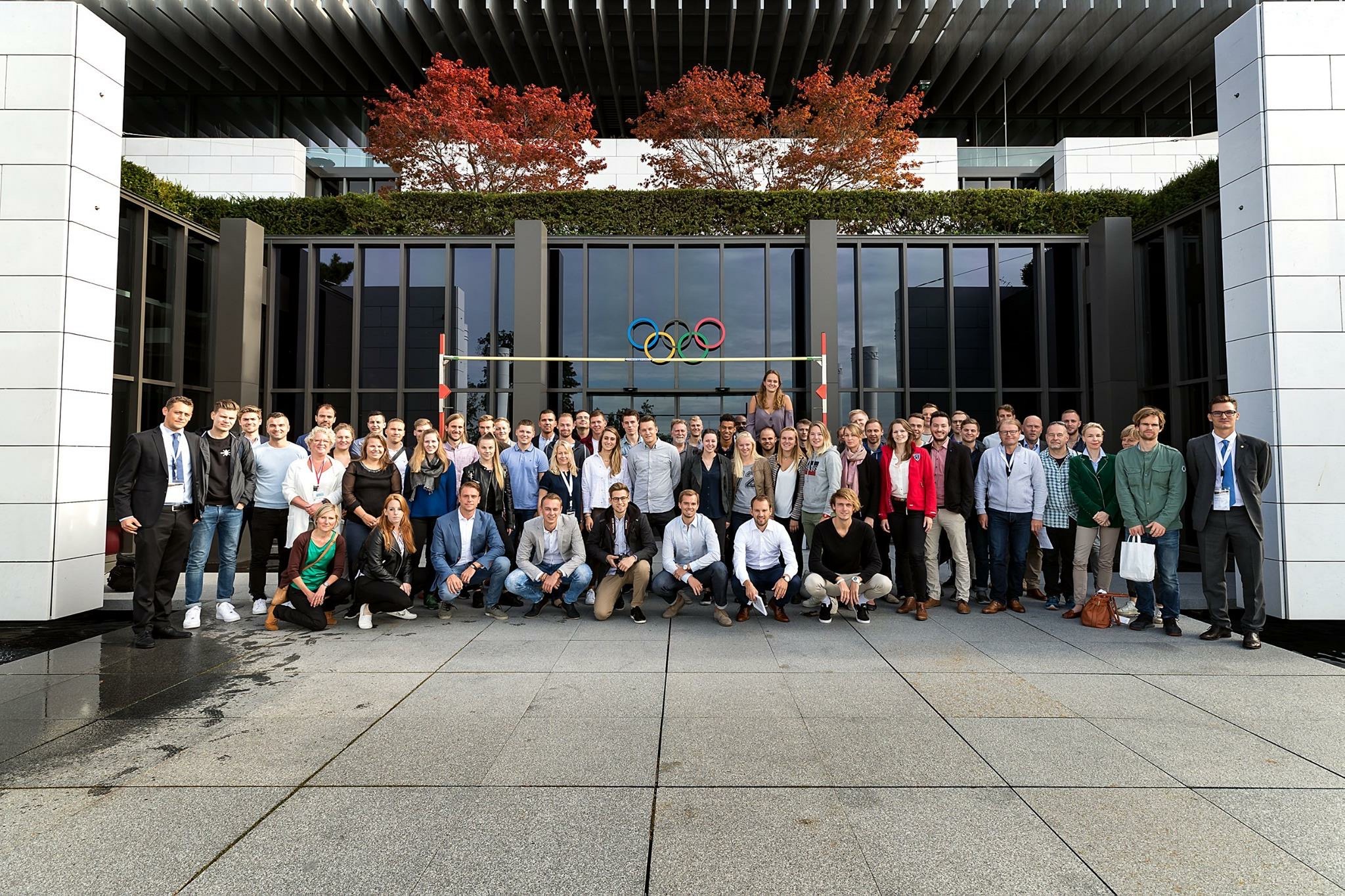
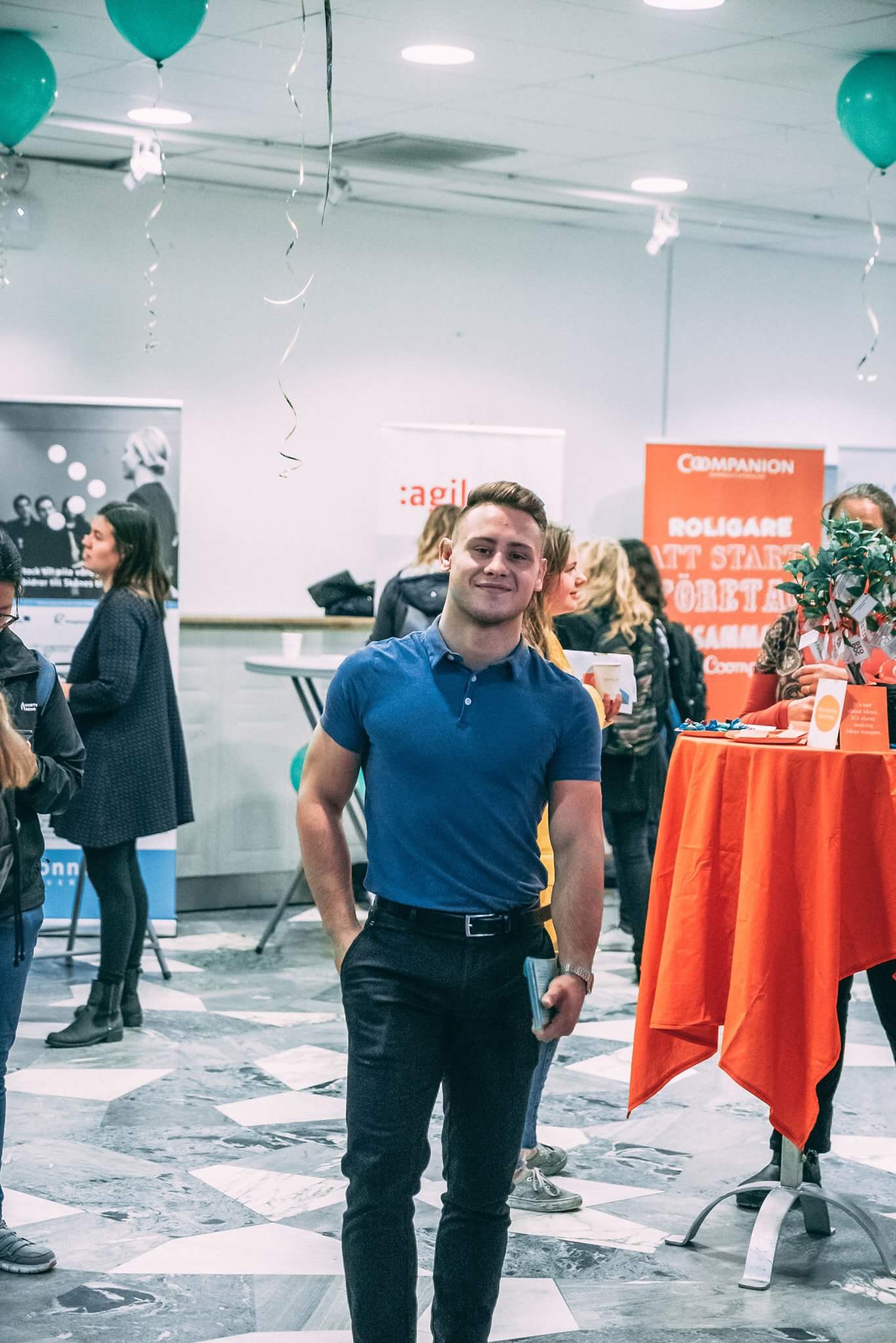
PS. Om du undrar över bild så är det från Europas Sport Management konferens (den var i Malmö 2018!) som gav många nya kontakter och en roll i styrelsen, så nätverka på och våga vara dig själv och ta vara på alla möjligheter som dyker upp.
Jag lyssnar på många intressanta och inspirerande podcasts för att lära mig nya saker varje dag och en av dessa är SB – Weekly där jag kan rekommendera ett av de senaste avsnitten där man får veta hur det är att vara en sportagent.
Själv hade jag en gång en dröm att bli en fotbollsagent och det har alltid legat mig nära min passion att vara till hjälp för andra och vara med och se till att andra växer. Därför var det nyttigt och intressant att lyssna hur det verkligen ser ut om du själv funderat eller inte riktigt förstått vad en sportagent gör.
Du hittar avsnittet om vad en sportagent gör genom att klicka här.
Vad en sportagent gör
För en kort svensk översättning från avsnittets beskrivning så få du lyssna till följande: Intervjuad är, Nick Robinson, Managing Director av sports management och marknadsföring på agenturen ISC.
ISC bidrar till att skapa partnerskap för en mängd olika rättighetshavare och varumärkes kunder, men är kanske mest känd för att representera atleter och idrottare inom fotboll, rugby och flera olympiska och paralympiska sporter.
Nick utvecklades först på talangbyrån AMI Sport och Entertainment innan han gick med i Octagon 2009, där han var chef för fotboll och representerade bland annat fotbollsspelarna Daniel Sturridge och Saido Berahino.
I podcasten berättar Nick följande: – Fallet för idrottsagenter – varför de behövs och agerar en viktig roll i branschen – Varför många talangbyråer brister genom att inte vara mångfacetterade – Hur det är att vara en agent under ett transferfönstret – Varför kommersiella erbjudanden för idrottare vid själva höjdpunkten av sin sport är svåra att hitta – Orsakerna varför Premier League klubbarna gör en kumulativ nettovinst i transferfönstret – Stigande kostnader för fans – och varför idrottsintressenter måste kontrollera dem bättre.
Jag själv vet inom fotbollens värld att det är tuffa tider inom sommarens och vinters transferperioder, vilket kanske inte är så lockande att jobba 24/7 men å andra sidan så skulle det vara kul att hjälpa spelare att ta nästa steg. Men man förstår genom Nick att det krävs så mycket mer planering och förhandling än vad man kanske tror inför ett transferfönster. Kanske är detta något för dig eller så har du i alla fall som mig fått en klarare bild av livet som sportagent.
Vore kul att få veta vilket jobb du är nyfiken över men inte riktigt vet hur det är. Du får gärna mejla (jakob.wikenstal@gmail.com) eller kontakta mig på sociala medier (twitter, linkedin) dina podcasts-tips eller yrke du vill veta mer om.
På återseende med mer lärdomar som ökar din kreativitet inom sportens värld.